 Français
  English
  Deutsch
  Português
  Русский
  中国
中国  Español
  日本語
日本語 Although relatively simple in terms of its design, a blind flange nevertheless serves an important role in providing positive isolation. These can be found in use across a wide range of industries where they perform a basic but essential function needed to perform work on piping systems. If you want to learn more about these components and what they do for various industrial operations, read on for a full explanation of blind flanges and their various applications.
What Is a Blind Flange?
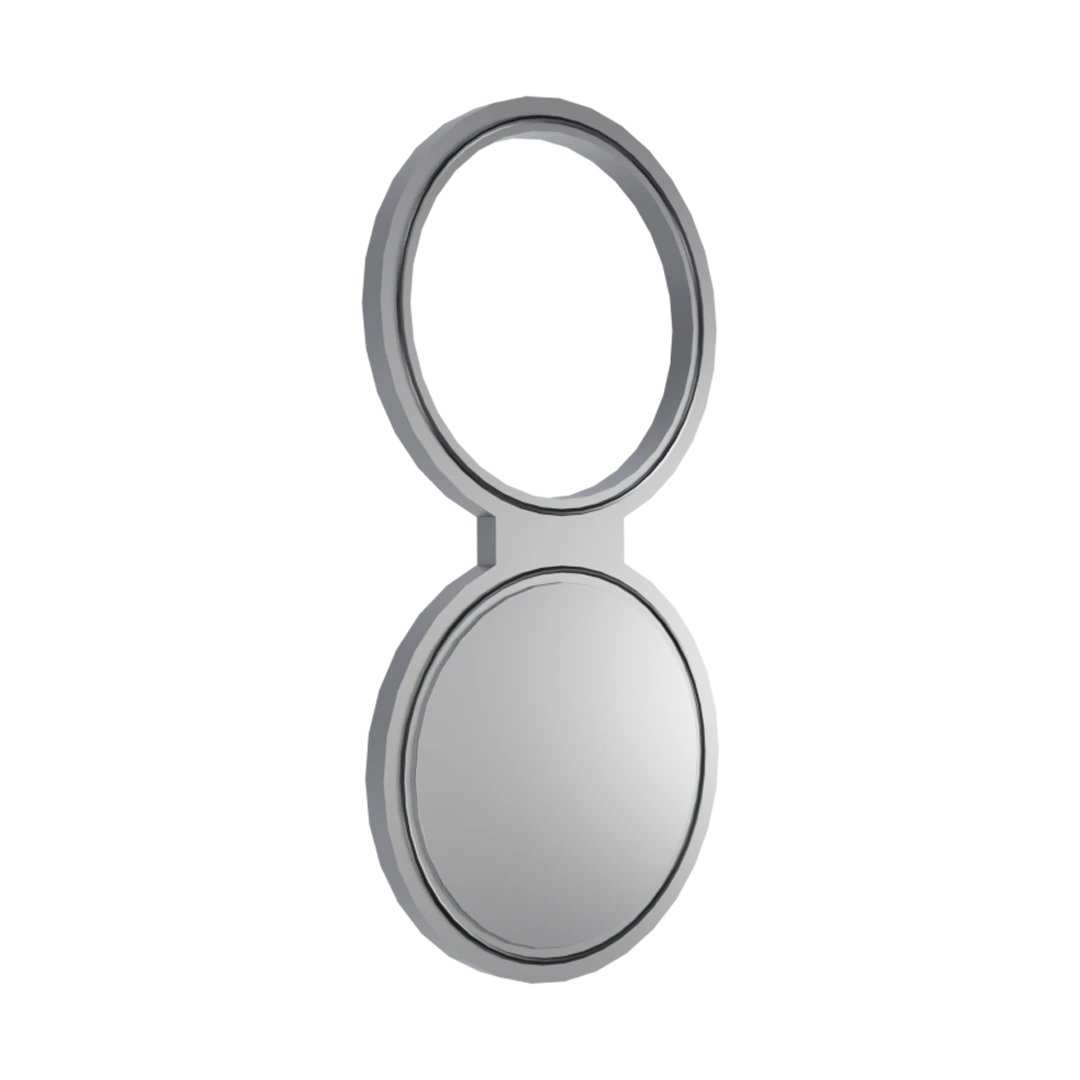
At first glance, a blind flange couldn’t be more rudimentary in its appearance. It is a flat disk of solid metal that has bolt holes around its outer diameter. There are two main types, either flat face or raised face. The flat-face variant is completely level across the entire surface, whereas the raised-face type of flange features a raised circle in the middle that matches the diameter of the pipe to which it will be attached. Most commonly, blind flanges are made of steel or stainless steel, depending on the specific use case.
What Is a Blind Flange Used For?
Whether flat face or raised face, a blind flange is used to temporarily block flow through a pipeline by creating a sealed end. This creates a barrier that prevents gas or liquid from moving any further down the pipeline.
This may be necessary for a variety of reasons. For example, the pipeline may need to be closed for routine maintenance or repairs to one section. Blind flanges are used to isolate this section of the pipe to prevent materials from leaking out and causing potential hazards or loss of production. Another common use case for blind flanges is during pressure testing, when they serve to seal off certain sections of the pipeline to ensure the accuracy of the test and for safety purposes.
How Are Blind Flanges Installed?
In most cases, the blind flange is attached between two pipe flanges or to the end of the pipe being sealed. The bolt holes around its outer edge are used to secure it to the end of the pipe. Many times, a spiral gasket is installed between the face of the blind flange and the pipe to prevent leaks.
What Are the Benefits of Using a Blind Flange?
Using a blind flange on a pipeline can offer a number of benefits for operators and technicians, which is a large part of the reason why they are so ubiquitous throughout multiple sectors. The advantages they offer include:
- Cost-efficiency — Their simple designs make them easy to manufacture, and their easy installation saves time.
- Durability: They are durable and long-lasting due to their robust materials and lack of moving parts.
- Versatility: Compatible with many different types of flanges, they can be deployed in a wide range of piping systems.
- Safety: These help keep workers safe by preventing leaks during maintenance or repair work.
What Is a Blank Flange?
Sometimes a supplier might talk about blank flanges, leading to some confusion. In most cases, the terms are interchangeable, and any distinctions between the two come down to the names being used to describe the flange.

Consider Line Blinds From ONIS Line Blind
Although blind flanges are used frequently throughout multiple sectors, there are some limitations to their use. For instance, they need to be installed each time the line needs to be serviced, requiring time and effort. For pipelines that need to be blinded often, it might be better to consider installing line blinds that can isolate the pipe quickly and with a single operator. ONIS Line Blind is a top line blind device supplier who can help you find the solution that is right for your needs, so reach out and talk to a member of the ONIS team today.