
 English
  Deutsch
  Português
  Русский
  中国
中国  Español
  Français
  日本語
日本語 Upgrade Your Olefins Plant Operations with ONIS Piping Solutions
Our innovative piping solutions deliver 95% less downtime, zero safety risks, and smooth compatibility with your olefins plant processes, enhancing maintenance and operational efficiency.
The Challenges of the Olefins Production
In olefins plants, traditional solutions, such as spectacle blinds or manual flanges, lack precision and depend on operator skill. They also pose a risk of accidental reconnection. In steam crackers, these issues can lead to the catastrophic mixing of hydrocarbons and air during decoking, which presents a danger to personnel and equipment. Outdated piping systems also often contribute to unnecessary energy waste and hydrocarbon leakage, which contributes to a larger carbon footprint and makes it difficult to meet global sustainability goals.
Olefins manufacturing faces many challenges related to piping operations, including:
Downtime Costs
The high frequency of turnarounds combined with long maintenance times leads to significant production delays, increasing maintenance costs and production losses.
Safety Risks
Traditional pipe operations (e.g., spectacle blinds, blind flanges, spool piece replacement) pose risks of improper sealing, leading to leaks or cross-contamination.
High Carbon Emissions
Outdated piping systems cause energy waste, hydrocarbon leaks, and make it harder to achieve global sustainability goals.
Boost Your Olefins Production with ONIS
Reduce Downtime
Quickly isolate piping areas to cut production losses and improve plant efficiency. Maximize ROI of your olefins production.
Improve Safety
Prevent the possibility of process media leakage to the isolated area, ensuring a safer working environment for operators.
Eliminate Tools
No tools are required for operation, reducing the risk of human error and increasing productivity.
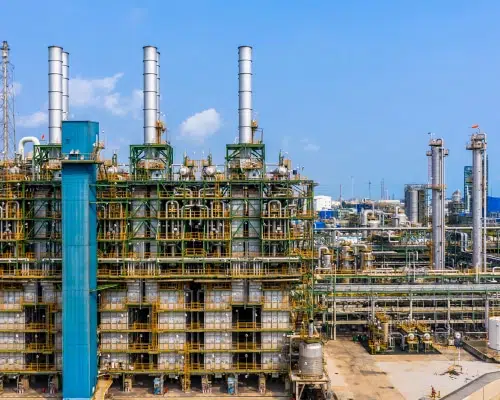
Keep Your Olefin Plant Safe and Efficient with ONIS’ Solutions
ONIS helps you achieve safe and efficient production in your olefins plant. Our devices are specifically designed to handle challenging conditions, like high pressure and temperature. These devices are used in key processes, including steam crackers, coal to olefin (CTO), low-density polyethylene (LDPE), high-density polyethylene (HDPE), flares, and methanol to olefins (MTO). We offer custom designs to perfectly match your specific process requirements. We utilize robust materials such as stainless steel, carbon steel, and corrosion-resistant alloys. Finally, we provide a range of seal materials, including FKM, PTFE, and reinforced graphite, to suit various media and operating conditions.
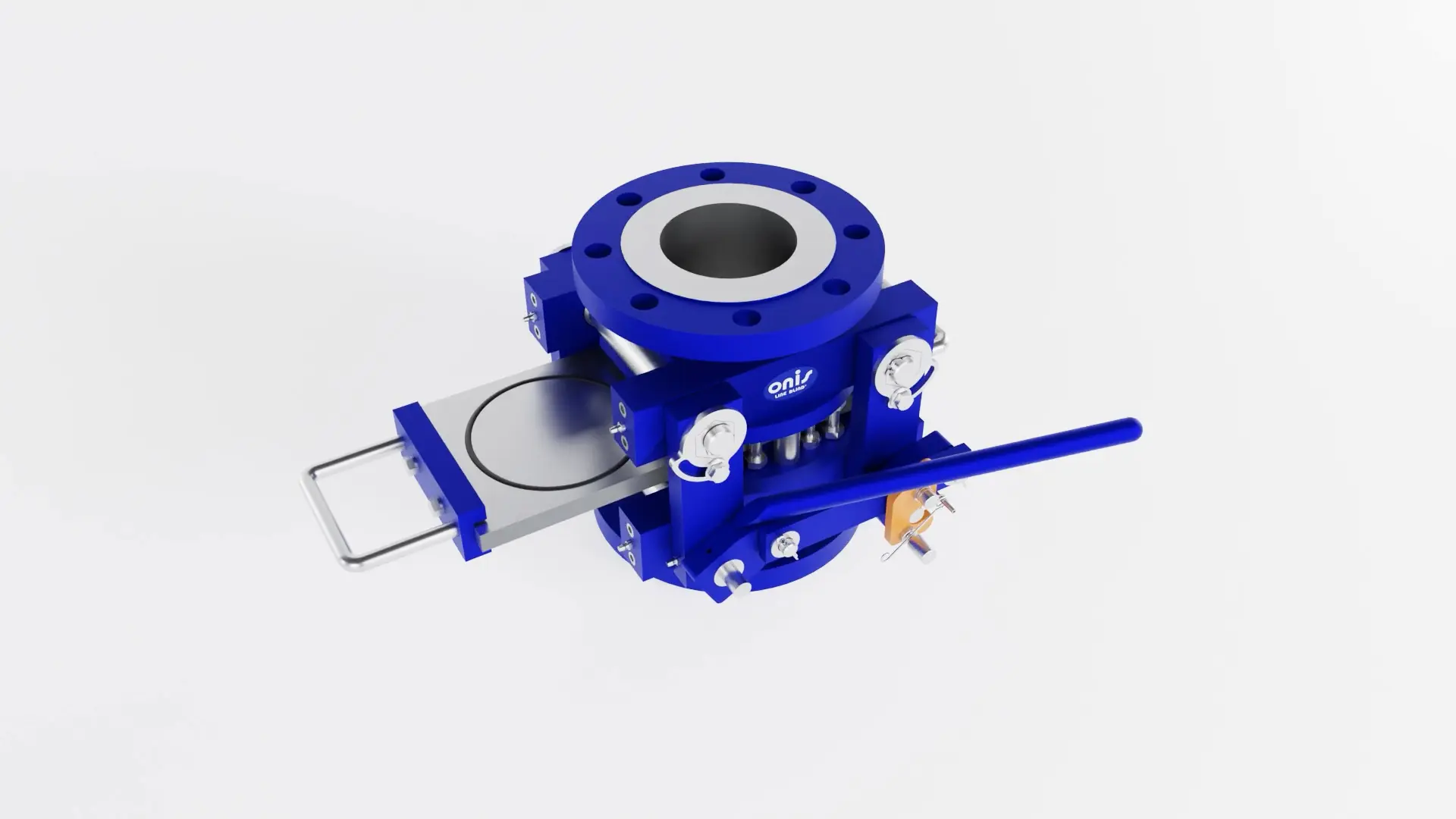
Quick Action Line Blind
Our Quick Action Line Blind offers a quick and advanced alternative to traditional spectacle blinds. It provides rapid, tool-free, positive isolation. Its reliable self-locking design ensures the safe containment of hazardous substances while keeping the pipeline connection secure. Learn more.
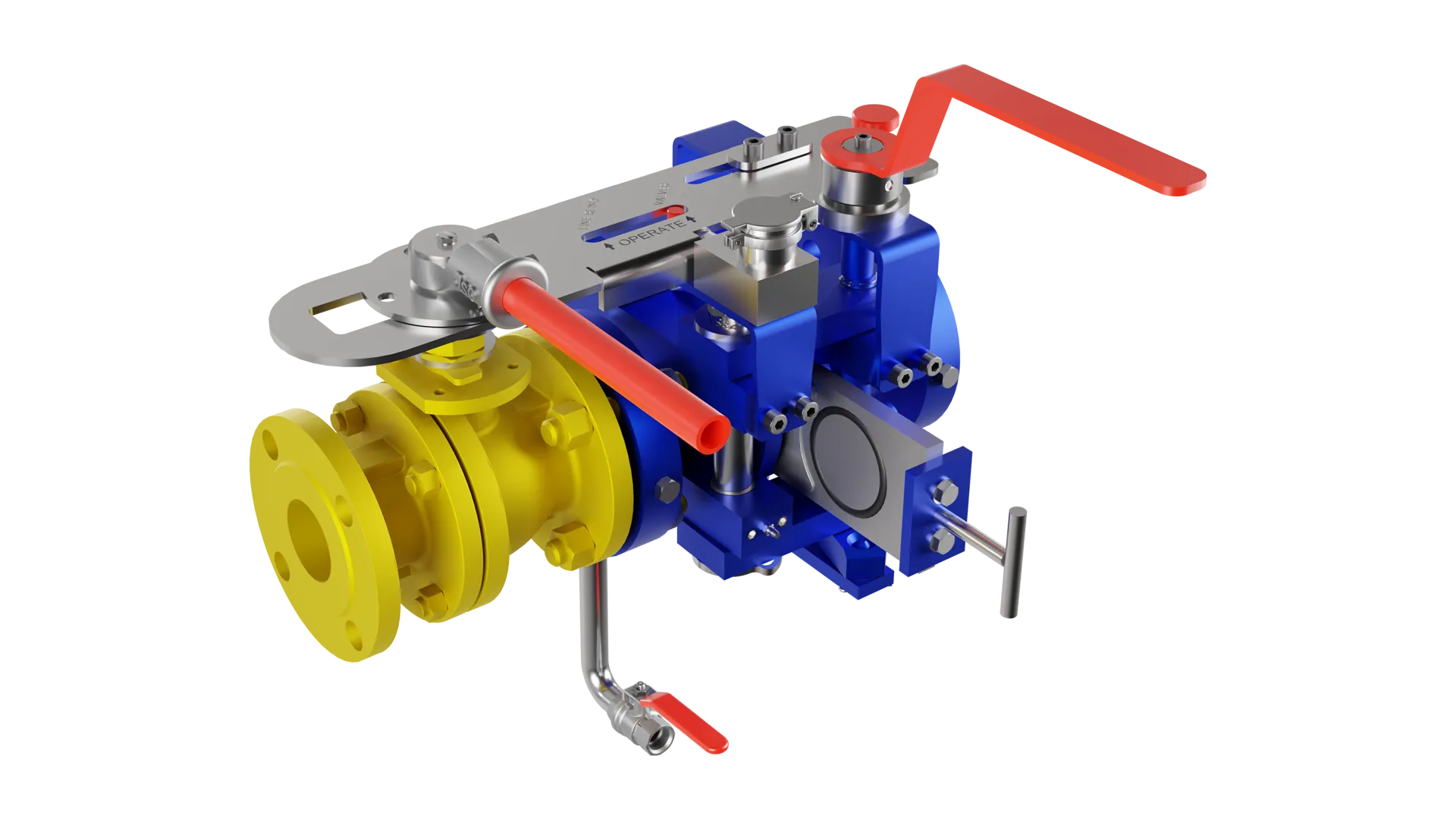
Block Bleed & Blind
Designed to eliminate human error, this complete positive isolation device integrates globe valves, a blind, and a safety interlock system to ensure safe and reliable operation. Its compact design also minimizes product waste, making it an ideal choice for applications where space is limited. Learn more.
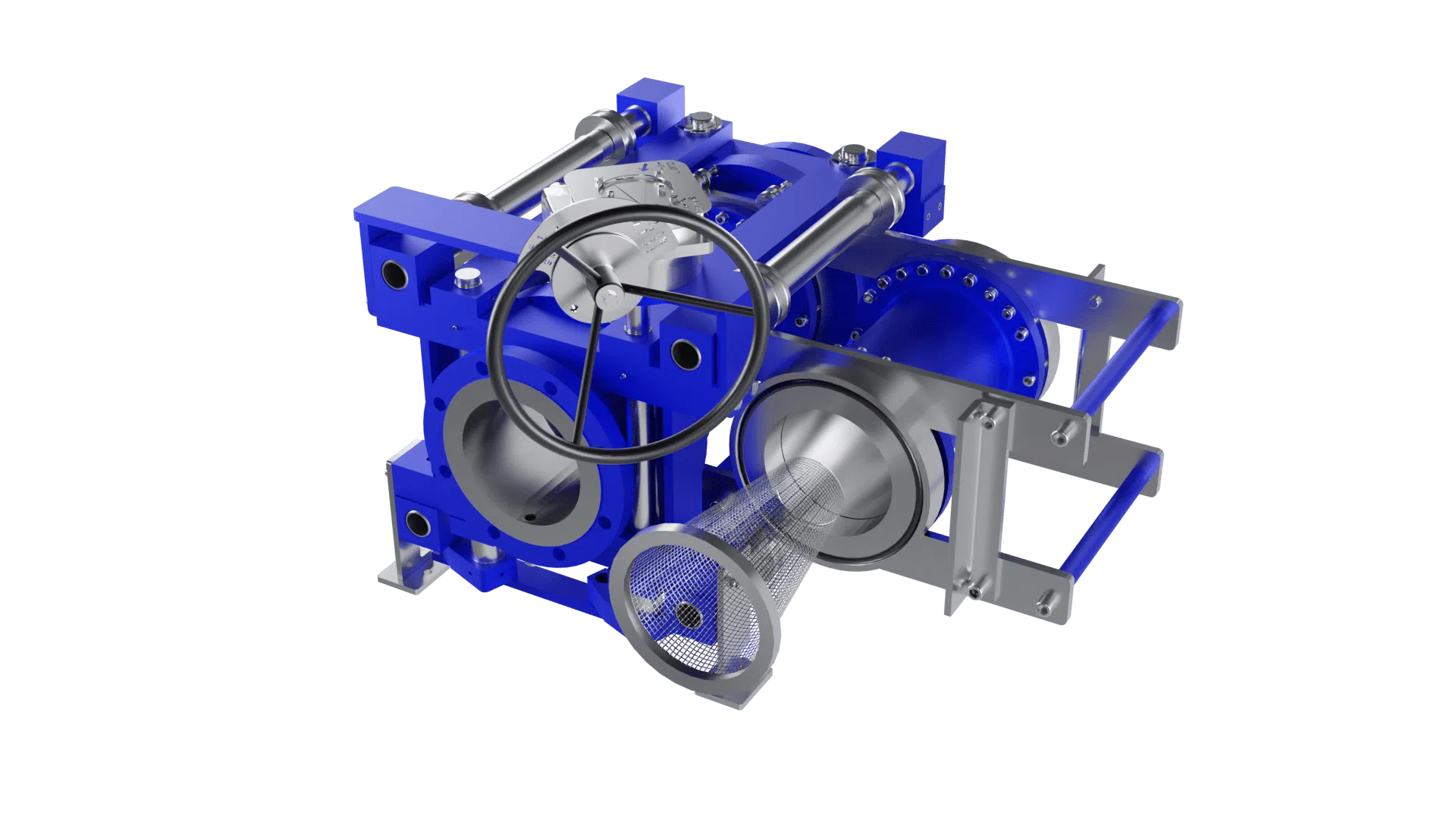
Quick Filter Changer
Enables tool-free filter replacements, reducing downtime and protecting key equipment like pumps, compressors, and valves with a quick and efficient change of conical filters. Learn more.
Key References in Olefins Plant
This is a non-exhaustive list of examples of ONIS devices installed at petrochemical sites. Contact us for more details and a more extensive list.
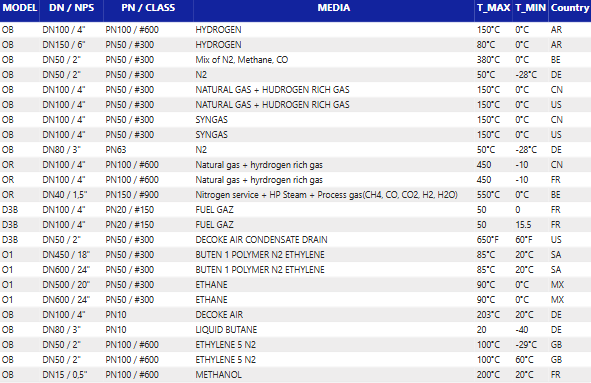
ONIS devices are typically installed in the following processes:
- Steam crackers
- CTO
- LDPE
- Flares
- MTO
- Steam reforming
- PP-PE
- PVC (VCM)
- Adhesives, Fibers & Rubbers
- Amine
Related articles
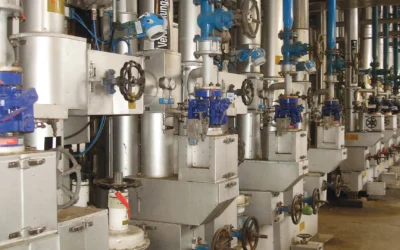
Steam Cracking Furnace Safety The Benefits of Quick Positive Isolation
Learn how positive isolation devices can improve steam cracking furnace safety, reducing downtime and minimizing risks.
Isolating Pipe Flowing Phenol with Pipe Blind Equipment: A Critical Safety Concern
Learn the safe practices and protocols for isolating pipes flowing phenol. Discover how to protect your assets and people from exposure.